The Latest

  • Completing Beer Prep for Andy’s Housewarming

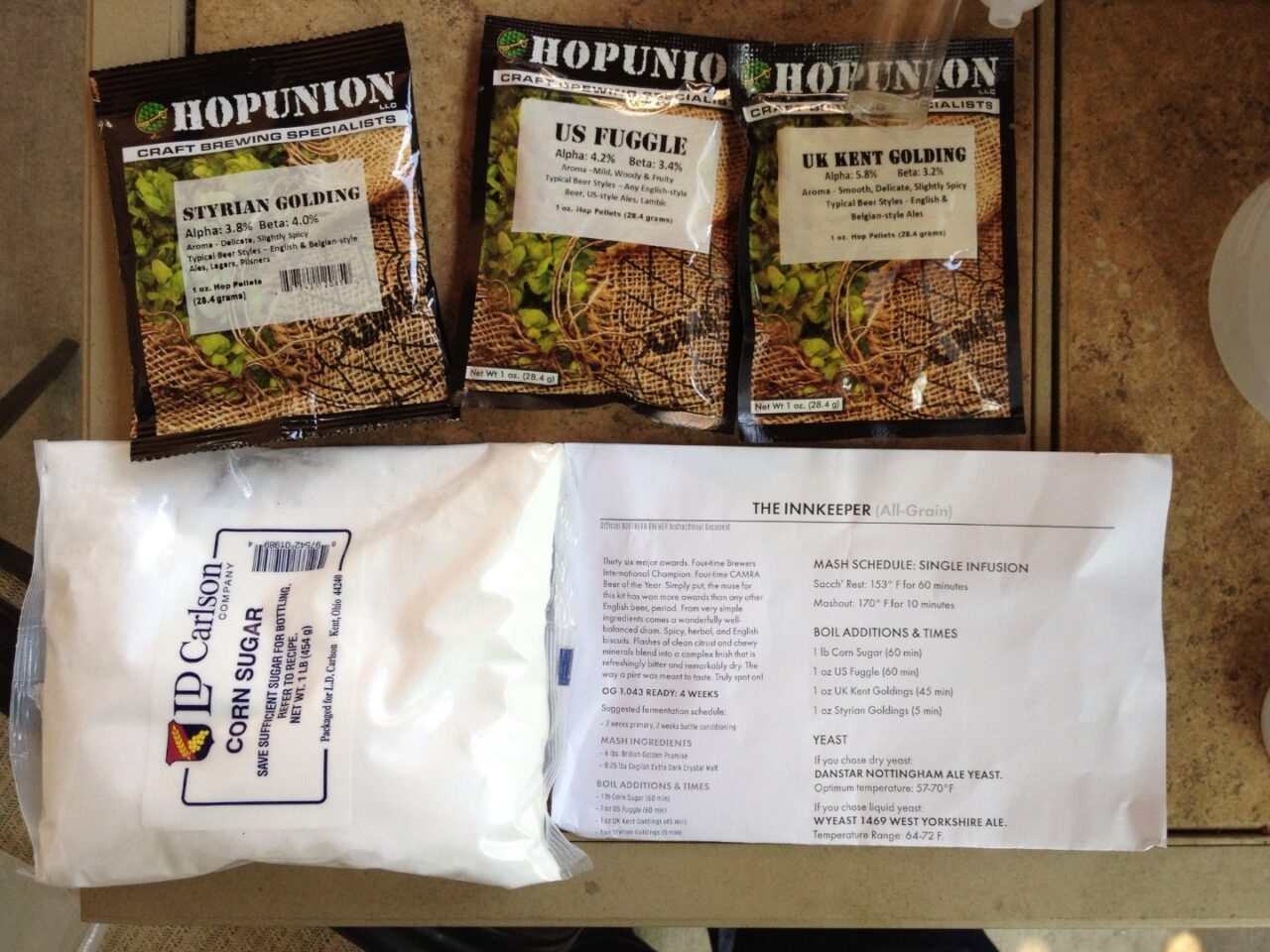
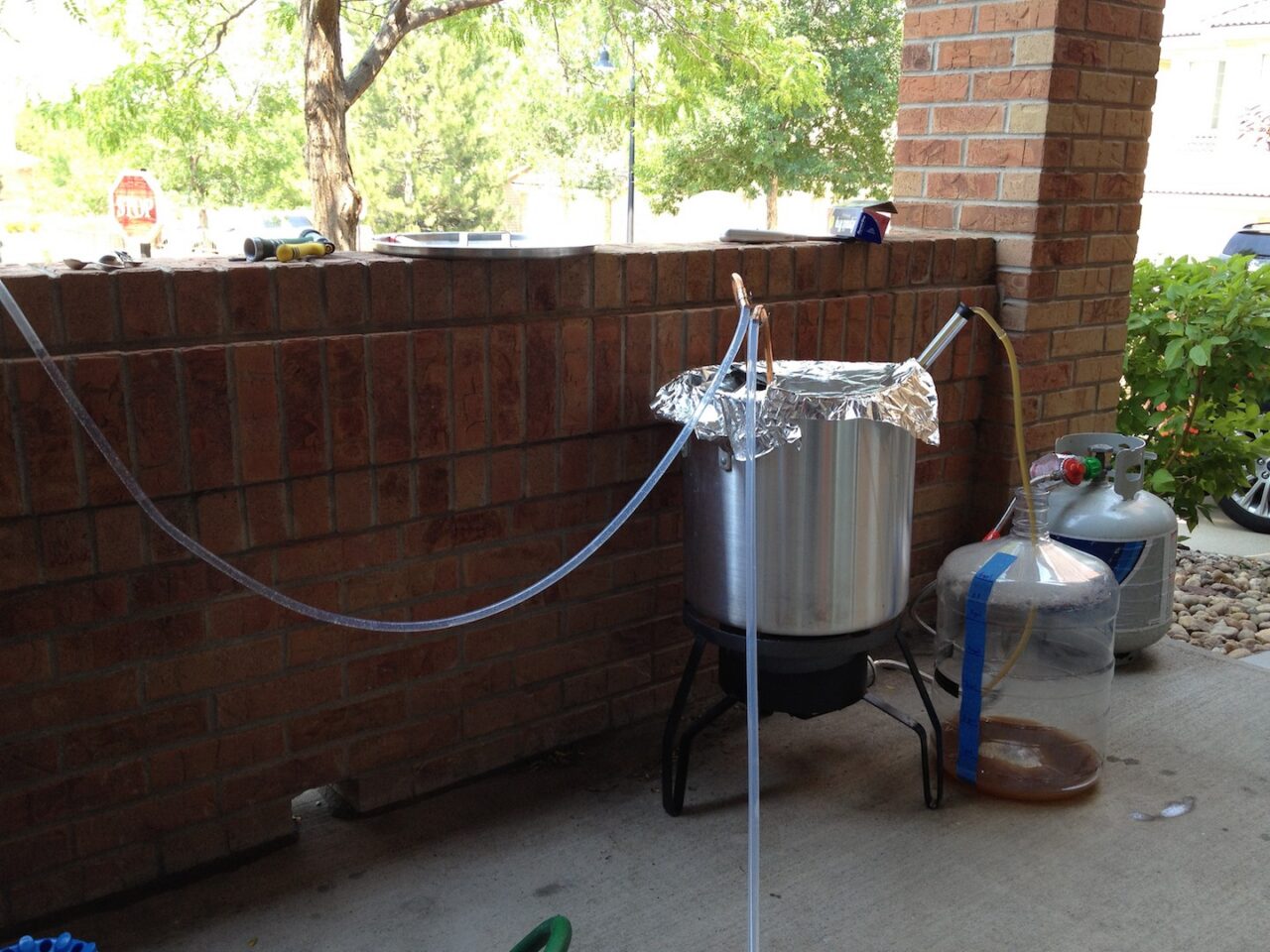
    Tonight I bottled the third of the three brews that I’m bringing to Iowa for our get together at Andy and Lindsey’s new place in Des Moines. The beer was the simple American Rye Ale from the Northern Brewer Kit, the product of the smoothest brew process I’ve had so far. It should be ready to drink around June 29, the day I plan to be driving from Denver to Des Moines.

    Now I have a fairly good all-grain pale ale, a tasty Belgian ale, and a simple rye ale, and I’m taking at least 2 cases back to Iowa with me.

    I can’t wait to share this beer I brewed with my friends.

    — Steve

  • Buying the Focus

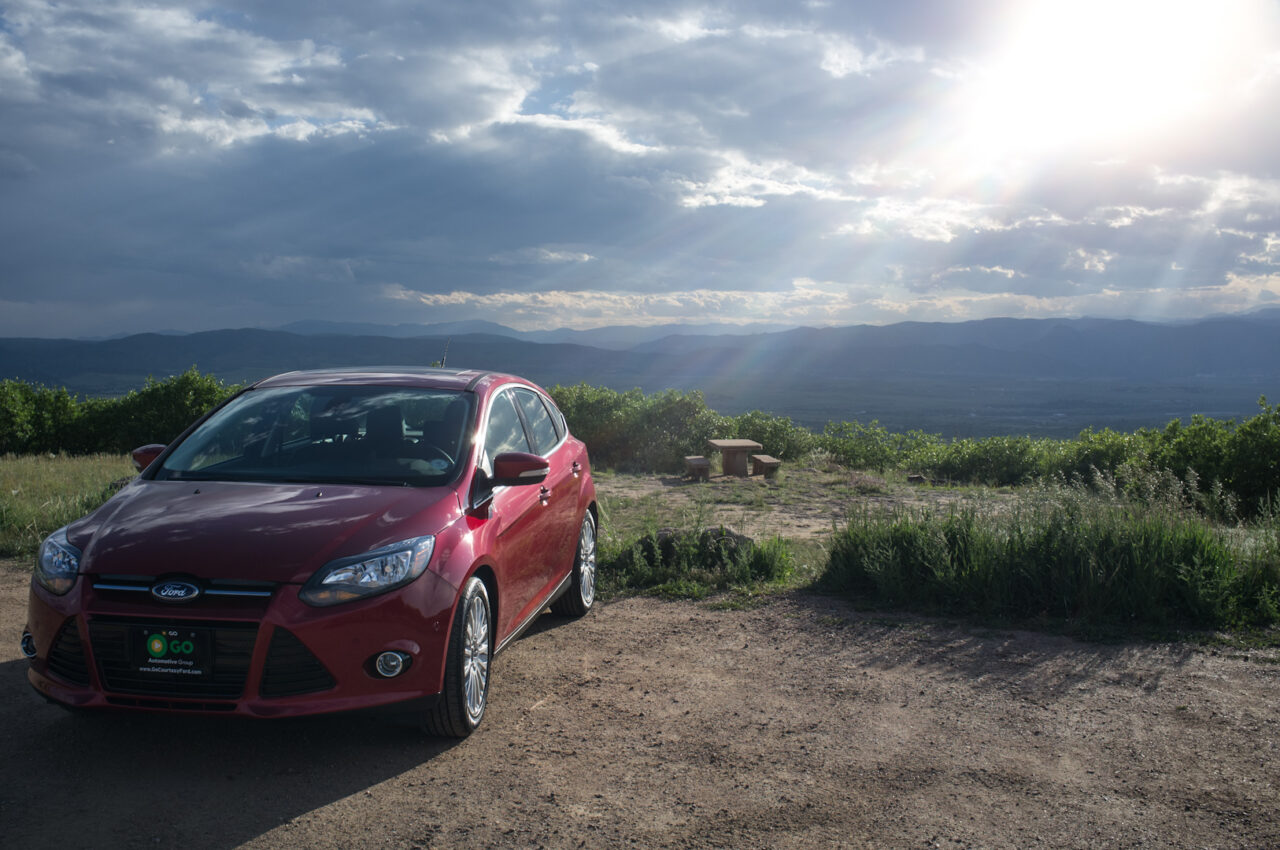
    I finally bought a new car, over a year after I first started seriously considering it. Say hello to my candy red 2012 Ford Focus.

    I’ve been a fan of small European hatchbacks for years, and lamented that so many of them never make it to American shores. We had the Golf, and the first Focus, but never had the huge variety of small, practical cars that the Europeans have. We also, for some reason, were denied the well made and well regarded Fords that they had in Europe.

    But then Ford finally brought their small, well made hatchbacks here. I was excited about the 2012 Focus spaceship from the first announcement I saw on Autoblog, and almost immediately started considering its potential as my next car. The Subaru Outback was getting old, and the Focus was great looking with a nice interior and great gas milage.

    This kickstarted my thinking about cars, and not much longer after I started looking more seriously we got the revised Mazda 3 and a new Subaru Impreza. I had already decided to focus my attention on small practical hatchbacks, and with so many changes in this category I stepped back and took a look at the overall market.

    There were certainly other cars to consider, but I decided to limit my market range. I excluded the smallest cars such as the Fiesta, Mazda 2, Honda Fit, Nissan Versa, and Toyota Yaris. I also excluded anything that couldn’t get 35 mpg on the highway.

    This pretty much narrowed down my choices to three:

    1. 2012 Ford Focus Hatchback
    2. 2012 Mazda 3 Hatchback
    3. 2012 Subaru Impreza Hatchback

    Yes there was also the revised Hyundai Elantra but I didn’t feel anything for it, and crossed it off the list early. I had driven several Fords as rental cars, including the most basic hatchback they sell and a nicer SEL with leather and a lot of options. Ben let me drive his Mazda for most of a day, and I did a more normal test of the Subaru.

    The Subaru was definitely the biggest inside, with the best sight lines and smallest blind spots. The AWD was a very tempting practical feature as well. It was also the least fun to drive and the least nicely put together inside. The Mazda was great fun to drive and might, by a hair, have the best drivetrain of the three. The Ford though was the best car overall, and it didn’t take much time to make up my mind. I’ve driven the previous Focus, and the difference in interior quality, fit, and finish are enormous.

    In fact, I essentially bought the exact car that Ford had brought to the Denver auto show I attended last year: same color and most of the same options. I remember the first time I sat in it and how much I liked it, and now I own it. It’s great fun to drive, with a firm suspension and smooth responsive engine, and all the “silly” toys I got with the option packages have turned out to be great. I love not having to take my keys out at all. I can walk up to the car and grab the handle and the doors unlock, then I sit down and hit a button and the car fires up. It’s like the future.

    Surprisingly, the built in navigation is actually good. Voice input works very well, including putting in a street address by simply saying the address out loud. POI searches can also be done by voice. In fact the whole voice control system in the car is better than expected. It is certainly not perfect, but responds to the vast majority of commands exactly as expected. I can choose music, control navigation, set the climate control, and make phone calls without ever looking away from the road. The rearview camera is very useful, and the automatic parallel parking worked exactly right the one and only time so far I tried it.

    And somehow, unusually, the Sony stereo and Microsoft software that runs it are actually tastefully designed. That’s just weird. And it sounds great.

    I’m enjoying the car more than I expected, and I have far fewer complaints than I expected. Even the manual mode is better than I was lead to believe. Reviewers had complained that a small rocker switch on the side of the gearshift wasn’t a great way to run the gear changes, and wished for paddle shifters or another system. Paddle shifters could be nice, but there are so many things on the wheel already that another set could just confuse things, and although I consistently pushed the gearshift lever on Ben’s Mazda the wrong direction when shifting, I’ve never made that mistake on the Ford.

    — Steve

  • A Warm and Windy Saturday

    Today was one of the warmest days of spring so far. I woke up early, with an orange sun shining in my eyes, but I wasn’t really awake. Eventually though I started to function, and made a good beginning on the holiday weekend.

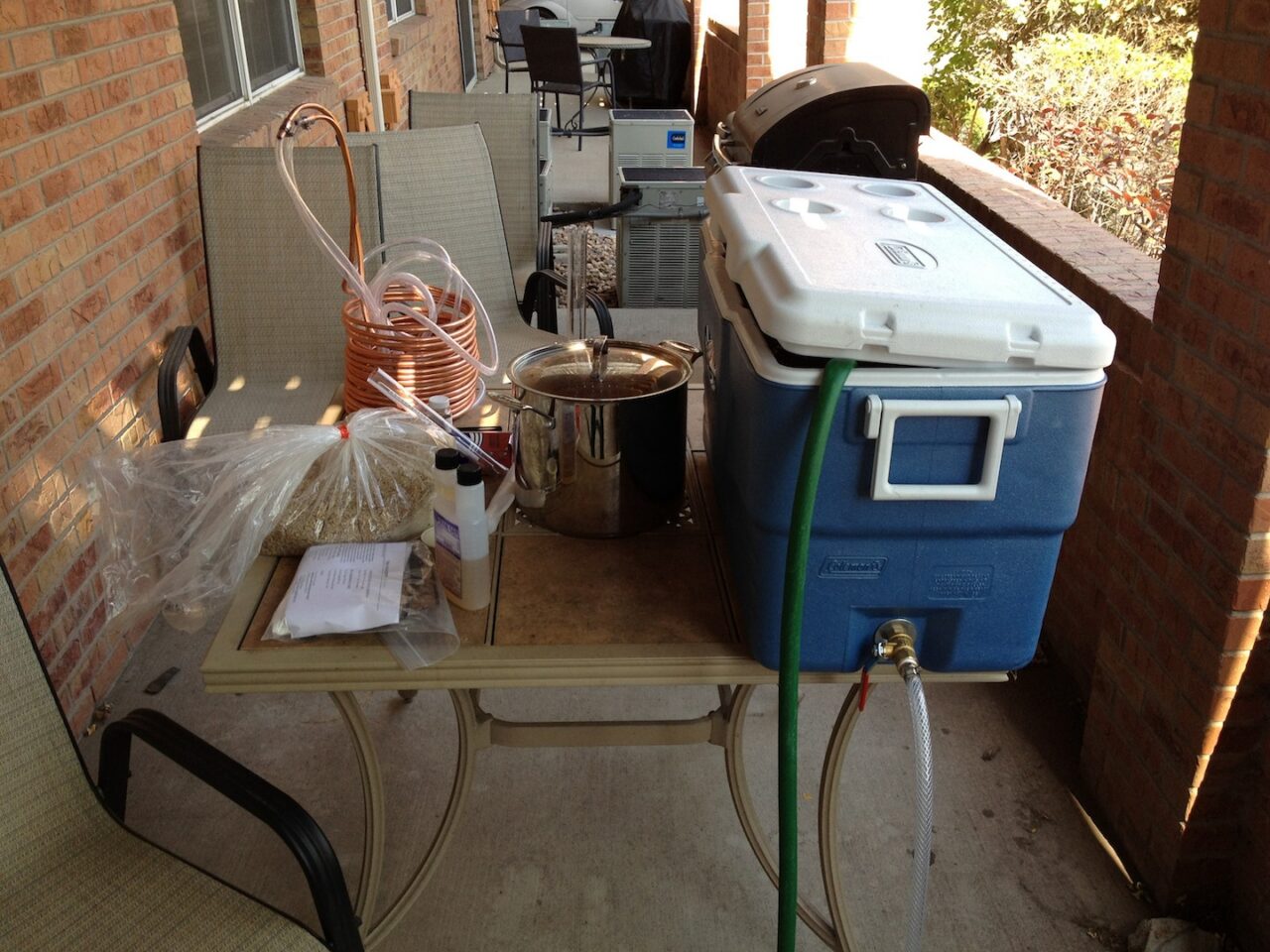
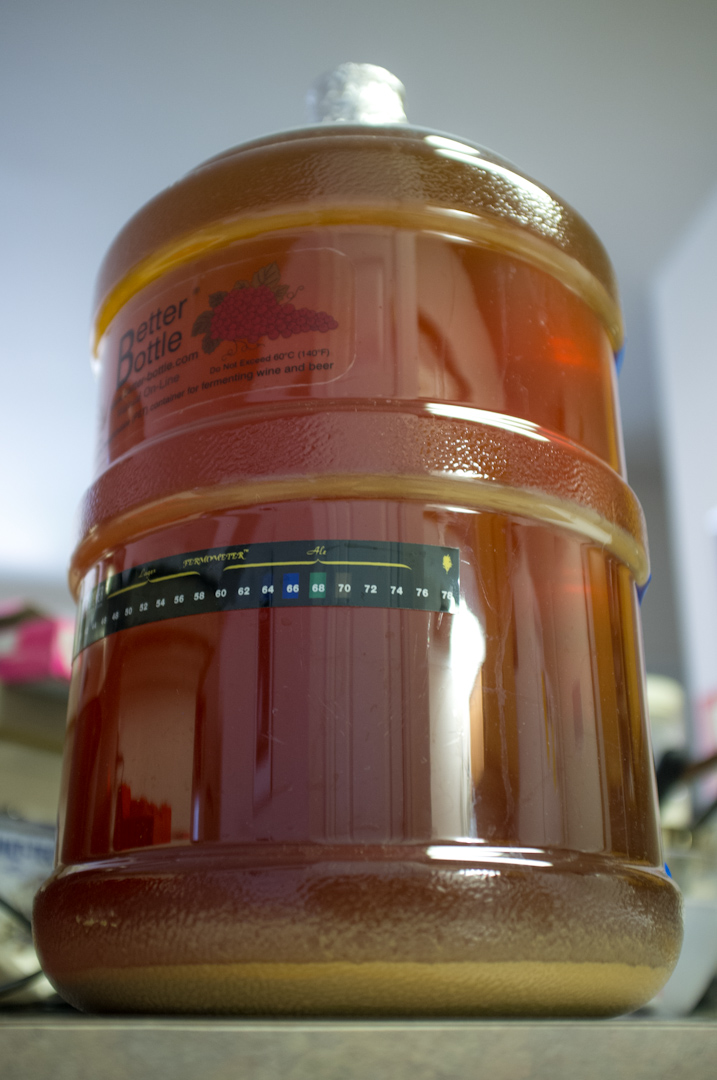
    The morning included two significant brewing activities. First, I made a yeast starter so that tomorrow I can start the rye ale I’ve been waiting to brew. After that, I bottled the Belgian ale I brewed back in March. All told, this took a few hours, and I watched Total Recall and then The Sixth Day after it. A morning of Arnold sci-fi made sense to me. There were no real snags in either process, and now I have two cases of an about 8.5% abv beer bottled and starting to carbonate. They should be ready about the time we have our housewarming shindig at Andy’s place.

    Belgian ale

    Because I was up so early, and because I was kind of in a lazy state, I ended up taking a nap in the mid afternoon. Somehow that didn’t sit right with me though, and when I woke up I was feeling antsy. I didn’t want to feel like the day was wasted, no matter how productive. A nap and then staying home the rest of the afternoon would make it feel that way.

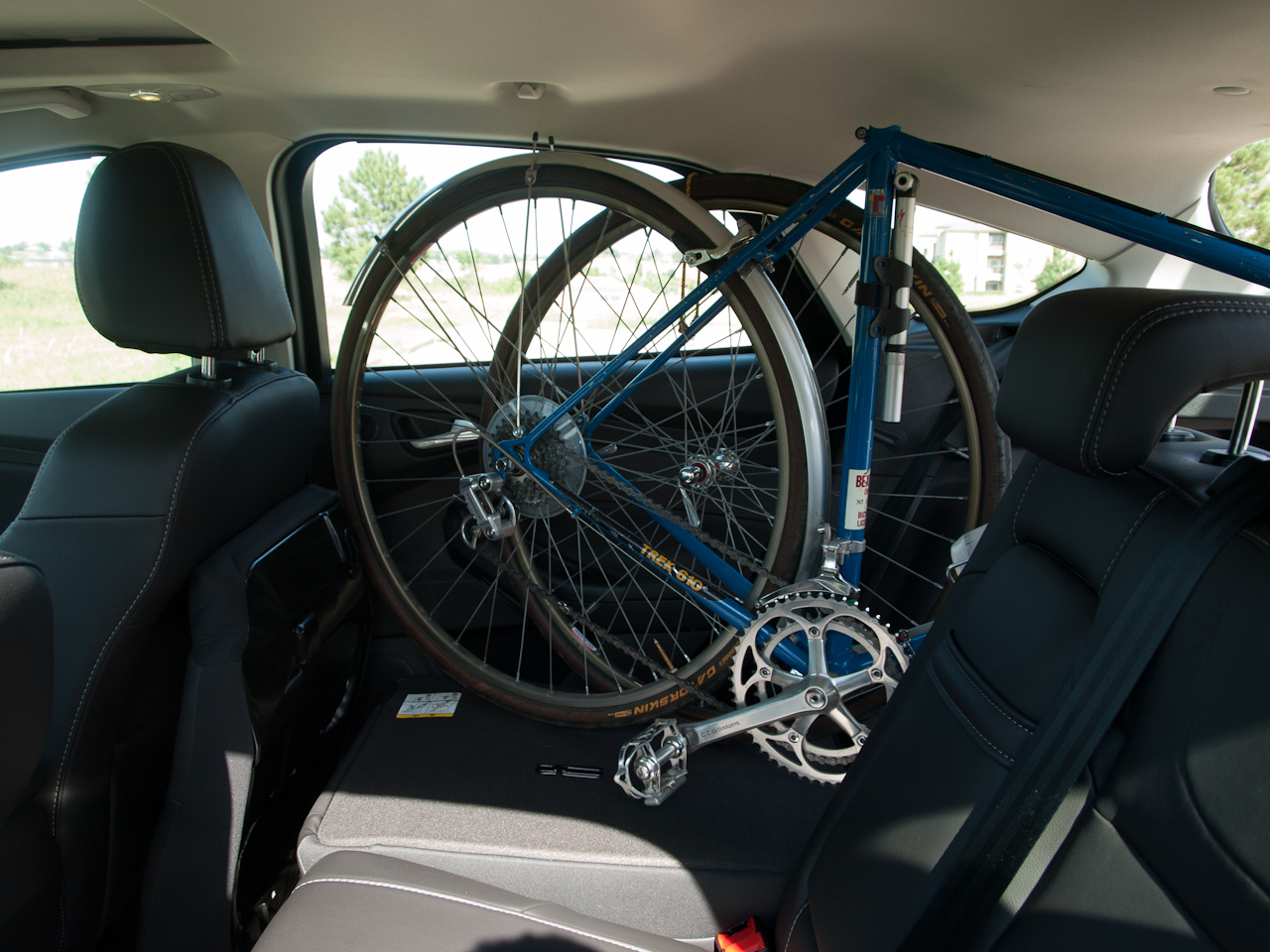
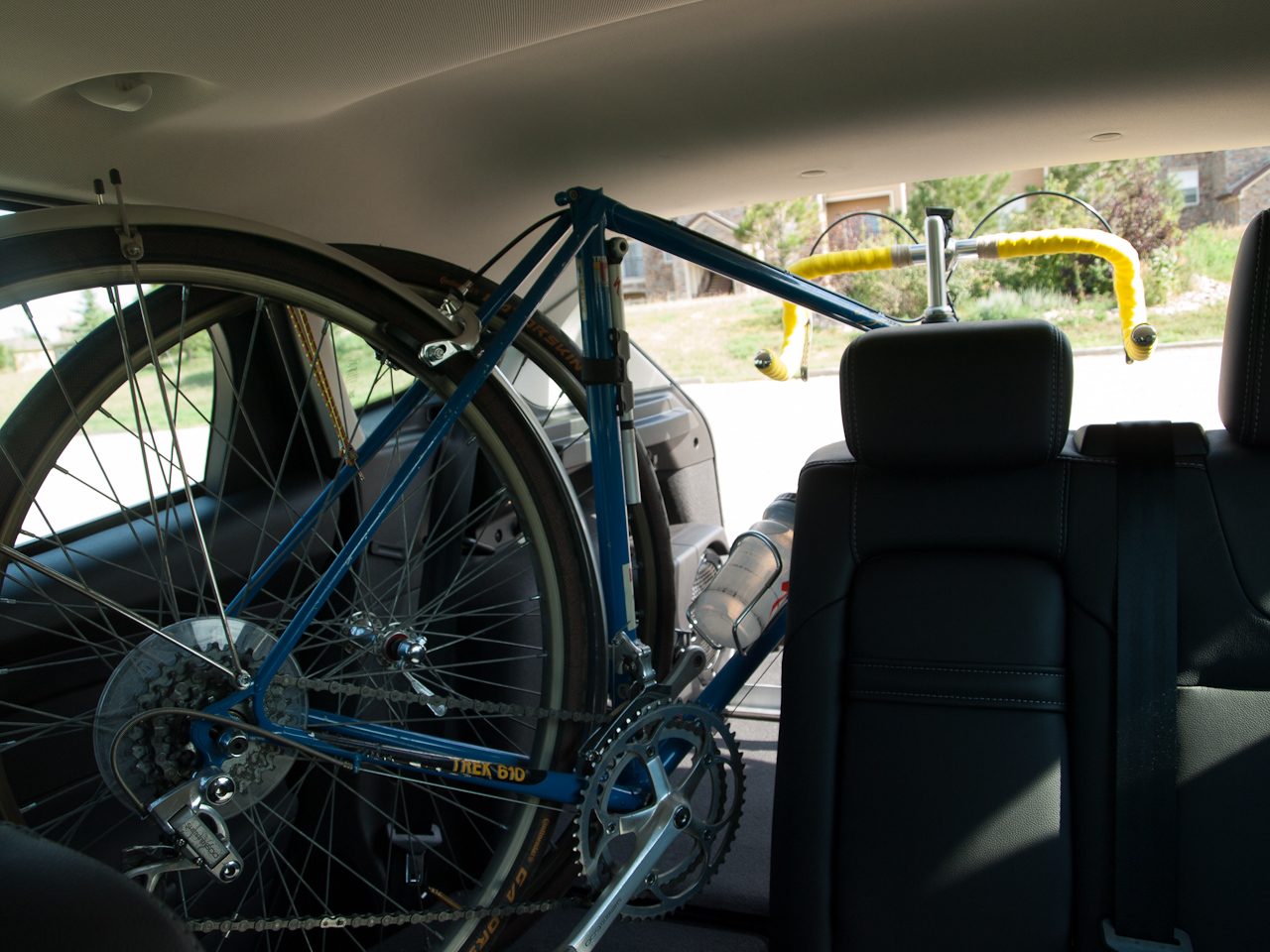
    So even though it was warm, and even though there was a high wind advisory, I pumped up the tires of my trusty and wonderfully rebuilt Trek bicycle and went for a ride. I had a goal of about 20 miles and I made it to around 22 despite the high winds and running out of water a mile from home. It was actually a really good ride, and just what I needed.

    Now I’m sitting in the patio having a homebrew and typing up this summary of my day. Soon I’ll make burgers and have another beer. A successful start to a long weekend!

    — Steve

  • Going Loud

    I got a new keyboard.

    It’s one of those fancy Das Keyboards that all the kids are talking about these days. To be more specific, it’s the recently released Mac version which has the keys labeled correctly.

    Instead of getting a new keyboard I had given serious thought to finding a high quality PS/2 to USB adapter and using my old IBM Model M (part number 1391401, manufactured on June 21, 1988) instead, but on this Mac I use the option key quite a bit, and the command key is of course indispensable. The Model M only has two keys on the left side.

    I could get around this, of course. One option would be to map the caps lock key to control, the control key to option, and the alt key to command, but that would be very strange for the muscle memory. Nothing is perfect.

    So instead I got a more modern USB keyboard with the correct buttons but a different type of mechanical switch. They do still make the buckling spring type of switch that the Model M uses, but most other mechanical keyboards either use Cherry or Alps mechanical switches. As far as I have been able to tell, both are highly regarded.

    I also wanted to stick to companies that made keyboard versions intended for Macs. It isn’t difficult to remap a Windows keyboard to work correctly on a mac, but it is preferable for the keys to be labeled correctly with no manual remapping required.

    Unicomp is the company with the buckling spring technology and they make a lot of industrial and POS type keyboards. They do have some Mac models but they are just about the ugliest things I have ever seen. I know that the Model M is frightfully ugly too, but it is allowed to be because it is 24 years old. You can get away with a lot just by being around forever and never breaking down. But there is no reason for the key switch technology to dictate the styling of the rest of the keyboard, and it certainly doesn’t require that the key caps and case they are mounted in look 24 years old on the manufacturing date.

    Matias, another manufacturer, has mechanical switch keyboards as well, which use Alps key switches. Unfortunately they suffer from a similar malady. The Tactile Pro 3 looks like a bad combination of the shape of an old Apple keyboard from the bondi blue iMac days combined with the styling of the mushy white crumbcatcher keyboard. They have a metal version too but the shape of the case is unchanged. I think maybe the problem is that instead of using a basic keyboard shape or developing one of their own they tried many years ago to be stylish by copying Apple and now changing tooling for a new shape is too expensive to bother.

    So it ended up coming down to the Das Keyboard as the only mechanical switch keyboard I could find that tried to stay out of the way; that tried to look elegant but simple, and used its own shape instead of copying something else. The Das Keyboard uses Cherry switches.

    The keyboard case is a very glossy black, and fairly simple in overall layout. It is a perfect rectangle, except for the logo area at the top right which widens out almost like the transition from the fretboard to the headstock of a guitar. The keyboard is not much larger than it has to be, which is welcome. The overall shape is actually similar to some of the keyboards Cherry makes for POS and similar applications, but is both simpler and more refined.

    It has the necessary Apple specific keys above the function keys, but they require pressing the fn button to use them. I haven’t yet decided whether to shift this so fn isn’t needed. The only questionable design decision is probably the key cap labels. They feel printed on and I worry that they will wear blank over time. The font choice and decision to use lowercase letters is also questionable.

    But these are nitpicks, and it looks and feels like a very solid, well-built machine. Hopefully I’ll be happy with the typing feel over time, and hopefully it will be as durable as my 24 year old IBM was.

    I had honestly forgotten just how loud a mechanical keyboard could be. I haven’t used my Model M as a primary typing keyboard in many years (though I’d hate to let it go), and I gave away another mechanical keyboard about 10 years ago.

    This thing is amazingly loud. Most of the normal typing motions are just sort of clicky, with a nice snickity noise as the mechanism trips and then a clack as the key reaches the bottom of its travel. It’s not quite the same feeling as the Model M gives, but similar. The larger keys, though, are killers. Enter and backspace are especially frightening. I think it has a lot to do with the overall size of the key and the somewhat alarming force with which I slap them. I’ve always enjoyed forcefully deleting the wrong words and letters. “No, you don’t belong. Begone.”

    Right now the big open question is how much I will like this keyboard for typing and general use in the long term. Will I get over the mechanics and wish it was quieter? Will I get so spoiled by the feel that other keyboards are hateful in my sight? I don’t know. I really don’t.

    I really do like the super low profile laptop-style keyboards that Apple ships with their computers now, and I’m not sure how much of this is keyboard nostalgia for the days when I spent most of my time in DOS or a Unix terminal, and how much is actual typing speed and comfort.

    Only time will tell. Time and a lot of typing.

    — Steve

  • Drinking my first all-grain batch, and preparing for the next

    My pale ale turned out pretty good. I wish it was slightly hoppier and I think the ESB was better (seriously I love how that one turned out, awesome beer) but it tastes good and is nice and pale and clear. I’d call it a pretty solid success, especially for my first all-grain batch in a cooler mash system I had just built.

    I think I’m going to brew this rye ale I have the ingredients for this week. It should be ready about a week after I bottle the Belgian ale, and then I’ll have 3 beers to choose from in storage (pale ale, rye ale, Belgian ale), and probably ready to drink by June 30. I may need more bottles though. I definitely have enough for the Belgian ale but probably not enough for three full/near full batches.

    It’s OK though, I can just go back to the liquor store and buy some more of these great German hefeweizens that just happen to come in sturdy brown swing-top bottles with easily removable labels. $4 each, empty bottles alone are about $2.50 from a supplier, and the 500 mL beers are easily worth $1.50. The Germans are probably wondering why their bottles don’t come back.

    — Steve

  • Minneapolis Spring 2012

    Despite the big travel shuffle that ended with me changing my plans and attending my brother’s small wedding, I did make it out to Minneapolis. Only one week later than planned, too!

    I really like this town. I like that it is covered in trees. I like that the streets make no sense. I like that so many of the neighborhoods are old. I like the river. I just wish that the weather would cooperate. What a cold and miserable Saturday this is!

    But it’s OK, it’s good to get some time to spend with Ben and Sam. Even if we aren’t the most exciting people any more. Even if we sit on the couch after dinner being sleepy and boring. It’s a great chance to catch up on conversation with good friends. We talk all the time on the internet, but real person to person talk and conversation is rare.

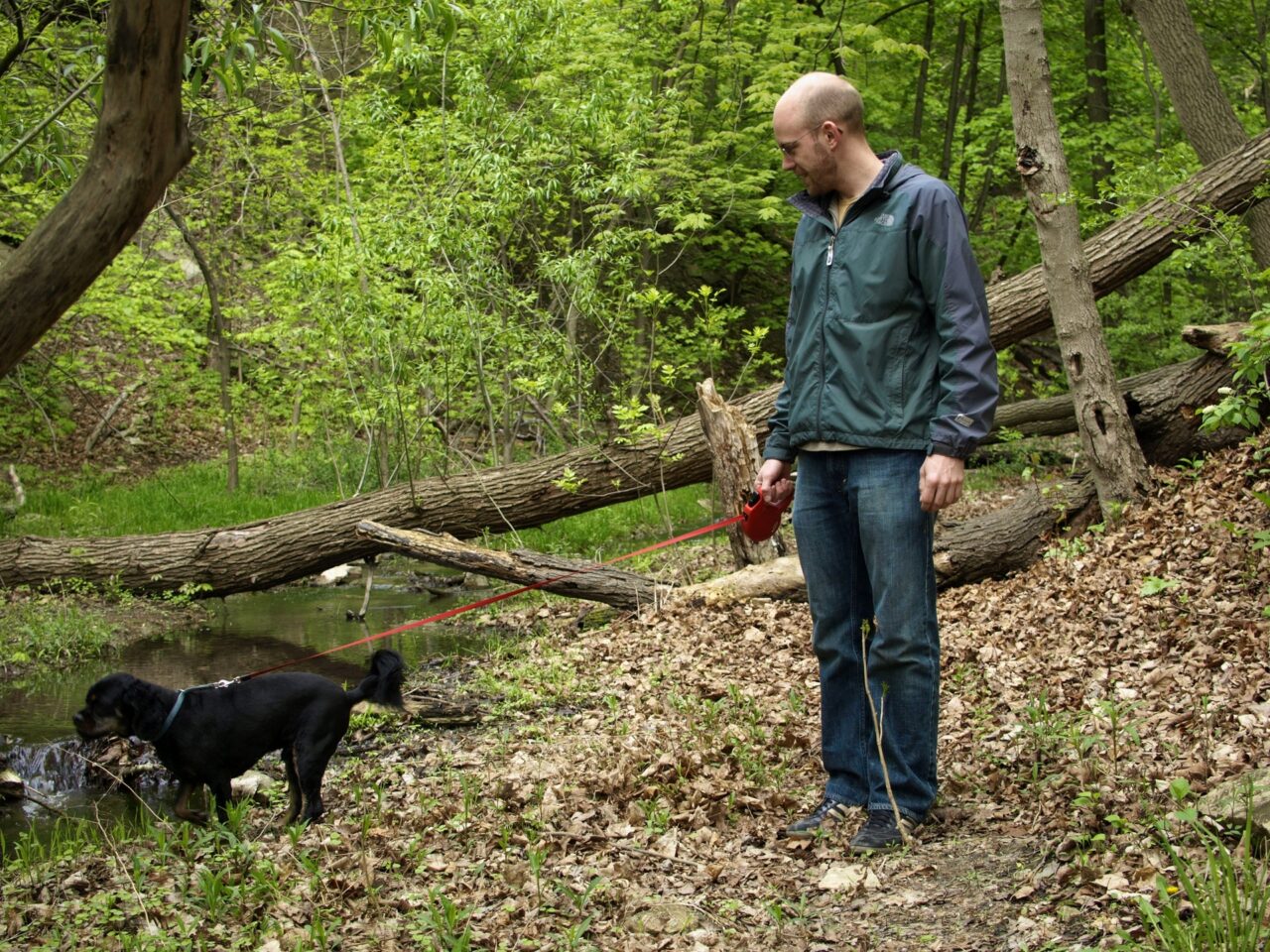
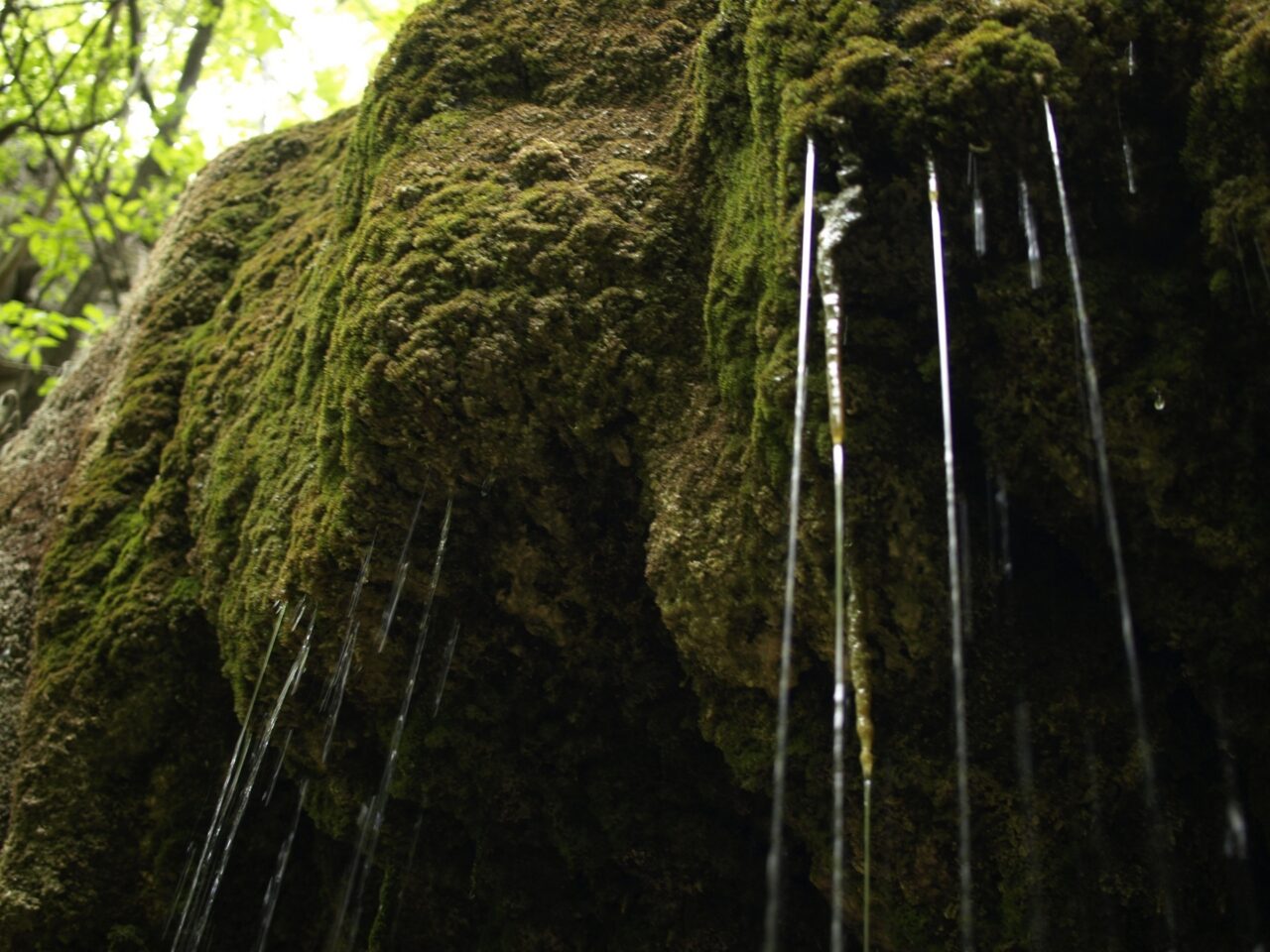
    One of the best parts of the weekend was when Ben and I took Oscar for a walk out by the river, and Ben showed me a little stream fed by a natural spring, and a hidden waterfall the stream flowed over.

    [![Waterfall of Ben][waterfall-sm]][waterfall-lg]

    Liz joined the boys (us) for pizza last night, and then we all gathered back at Ben’s house to relax.

    We also explored the downtown Minneapolis library today, and got some good meat and sausage at a local shop. The plan for tonight is to cook the meat and then brew some beer.

    — Steve

  • Jeff and Diana’s Wedding

    My brother got married last weekend.

    It was a small, informal family wedding, and everyone on both sides made it. Even me. I wasn’t going to go at first. We only had a few weeks notice of the date, and it was on the weekend I had bought plane tickets to visit Ben in Minneapolis. It seemed OK, because I’m going to see them in Atlanta in June, and they plan to do a bigger more formal party and event later. Our family friend Lisa convinced me to go though, and I swallowed the high cost of travel and changed my plans.

    I’m glad I did. With me and Diana’s brother Josh as the last stragglers that made everyone.

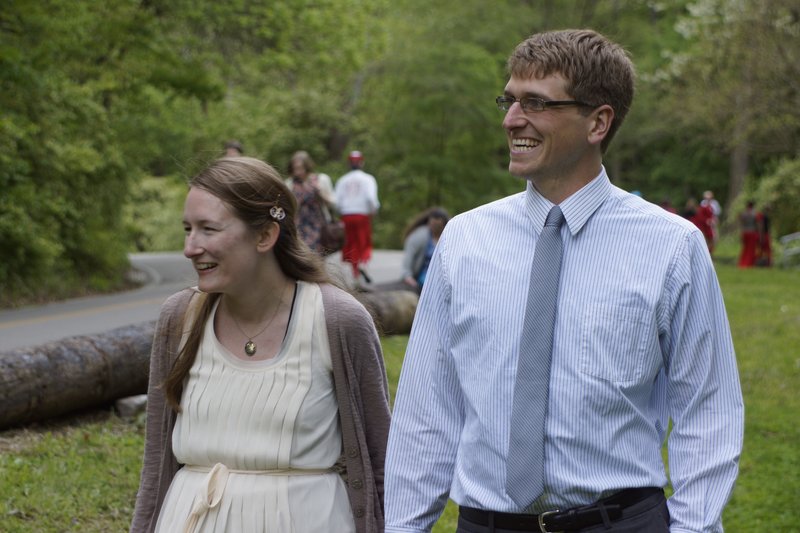
    The ceremony was held in a pretty little park, and was officiated by a really cool judge with killer boots who Jeff used to work for and knew him and Diana both. The ceremony was unrehearsed and a little uncertain, with a lot of laughing and figuring it out as they went. It was so much fun, and you can see that on everyone’s face in the photo gallery. It also illustrated how great it can be when the person presiding knows the couple.

    I had a lot more written, but really I’m just very happy that they did this. They’ve been together for around 8 years now, and Diana has been a member of our family for a long time. Now it’s official.

    So congratulations to my brother Jeff and his wife Diana, two really excellent people.

    Jeff and Diana’s wedding photo gallery.

    — Steve

  • Gravity Checks

    No, there’s nothing wrong with the Earth’s gravity, I’m only referring to Specific Gravity, the ratio of the density of a liquid to the density of water. In this case, the specific gravity I’m concerned with is the specific gravity of my two fermenting batches of beer.

    The alcohol content of beer can be calculated based on two measurements of the beer’s specific gravity. The first, called Original Gravity (OG) is measured before fermentation starts. The last, called Final Gravity (FG) is generally taken at bottling or kegging time. Between these a brewer can of course take interim measurements. The reason for the change in specific gravity is that the amount of dissolved sugar in the beer at the start of fermentation makes for a higher density liquid than water, but as the yeast converts sugar into low-density alcohol, the density of the beer drops.

    Basically, if the alcohol content at the start of fermentation is zero, then as the yeast creates alcohol the density of the beer drops accordingly, and a measurement of density makes it possible to estimate how much alcohol is present.

    The alcohol content is estimated based on the difference between the original and final gravity measurements. I typically use software or a lookup table to estimate the alcohol content by volume (ABV) of my beer. The equations most software use are empirical and therefore approximate. I know of two, one simpler, and one more complex[1].

    1. ABV = (OG - FG) * 131.25
    2. ABV = (76.08 * (OG - FG) / (1.775 - OG)) * (FG / 0.794)

    Right now I have two 5 gallon batches fermenting. One is a Belgian Strong Golden Ale, which spent 3 weeks in the first fermenter, and has been in the second fermenter for about 3 weeks so far. The target time for secondary fermentation for this beer is approximately 2 months, so I’m still 5-6 weeks out from bottling unless I decide to bottle early.

    The second batch is a simpler American-style (really, California-style) pale ale which is less complex. I expect to only do a single stage 4 to 5 week fermentation. This beer has been fermenting for 2 weeks so far.

    Tonight I took interim gravity measurements of both beers to estimate how far along in the brewing process they are, and approximately how strong they will be when ready to drink. So far things appear to be going well, and I’m getting the itch to bottle these brews so I can start another.

    Belgian Strong Golden Ale

    Original Gravity (OG): 1.072
    Gravity at transfer to secondary fermenter: 1.014
    Gravity on April 14: 1.010

    By the first equation, the percent alcohol by volume when I transferred it to the secondary fermenter was approximately 7.6%. By the second equation it was estimated at approximately 8.0%. As of today, the specific gravity has dropped further, to 1.010. By the first equation the beer is estimated to be about 8.1% alcohol, and by the second about 8.5%. Either way, this looks like it will be a very strong beer, and since it is so golden and used a Belgian yeast, I think Belgian Strong Golden is an apt description.

    As part of the measuring the gravity of my beer I have to extract a sample. Some people sanitize all their equipment and return the sample to the fermenter, but I tend to only sanitize the thief[2] used to extract the sample, and then drink it to gage how the flavor of the beer is developing. As of today, the Belgian ale is coming along nicely; it is pleasantly sweet with no off flavors. I’ll let it continue in the fermenter for a while longer, but I think it would be fine to bottle this before too long.

    Pale Ale

    Original Gravity (OG): 1.048
    Gravity on April 14: 1.008

    By the first equation, the percent alcohol of my pale ale is estimated to be about 5.3 percent. By the second equation, the alcohol content is also estimated to be about 5.3 percent. The beer is a very pretty pale golden, about what would be expected of the style.

    As the fermentation is only two weeks in, it is expected that the beer is still a little rough around the edges. The sample I extracted for the measurements tasted generally good, but a bit watery and yet alcoholic. This could be a byproduct of higher than desired fermentation temperatures in the first two days of fermentation, but it may very well just be a young beer that needs a little more time to condition.

    Right now I plan to bottle this brew at the end of April, and I’ll sample it again at that time. If the flavor seems good then, I’ll call it ready. If not, I’ll give it a couple more weeks.

    — Steve


    1. I pulled the equations from one of many online brewing resources. In this case, Brewer’s Friend↩︎
    2. A beer (or wine) thief. Basically a simple plastic tube to extract a sample of liquid from a fermenter. Some are based on creating a vacuum above the sample like mine (you stick it into the beer and let it fill, then cover a hole with your thumb like a straw), while others use a simple gravity based one-way valve.↩︎
  • I Finally Got My Bike Put Back Together

    Way back in January I wrote about getting my road bike tuned up for the season. Shortly after that we got a huge snowstorm that delayed my plans, and then I started riding my fixed gear bike instead.

    As a result my good geared road bike sat about halfway put together for almost 2 months. At the end of March though I finished my mash tun project and while I was in a project mood tackled the road bike too.

    I set up my work stand at the top of the driveway and cleaned and greased everything that still needed it. I reinstalled the cranks and put the new chain on. I finished adjusting the brakes, adjusted the derailers, and bent the front derailer cage slightly to accommodate the slightly shorter spindle in the new bottom bracket. That bend probably only put it back where it should have been in the first place and it works better than ever.

    After all the mechanical bits were ready I spent an hour or so nicely wrapping the bars in bright yellow tape, and then finished the tape off with tightly wrapped twine. It looks great.

    I’ve been on two decent rides since, and it’s smoother than ever. Eventually I may do some more work on it, such as installing a new drivetrain and new wheels, but for now my trusty Trek is ready for another year or two.

    — Steve

  • I’m Clearing Out Some Old Files

    It’s Saturday afternoon and I’m in the office. That’s very unusual, despite what you may have been told.

    My group moved last week from a space on the west side of the building to a space on the east side. It’s your standard cubicle space, with one major exception: the cubes are right up against the windows. Not only that, but I am in the corner and so have two walls of windows behind me.

    This change has completely transformed my space. I may not have an office with a door, but I have no foot traffic and a lot of natural light. I think I’m going to like it over here. In fact to be honest this is now a more comfortable workspace than anything I have at home, and I could see myself using it more often because of that.

    I just wish I could open the windows.

    When I moved over here on Friday I took all my files with me, and it got me wondering how many of them were even useful any more, and how many were completely out of date and no longer work keeping around. I don’t use my file cabinets much, and I couldn’t tell you with certainty what was and wasn’t filed. I tend to default to more of a “piles of paper on the desk” mode and then occasional document cleanup when those piles get out of hand.

    Because most of my work is on the computer paper tends to be an intermediate product: something to review, mark up, and comment on but later to be incorporated back into drawings or documents on the computer. That means that as long as I capture my comments the actual data and drawings are already stored and filed either on my laptop or on the file server, and the paper is unnecessary.

    That’s why I’m sitting at my desk with the window blinds wide open, an excellent cup of coffee next to me, and a stack of manila folders full of paper. So far I’ve only needed a few of the documents in the files I have reviewed, and all of those have simply been scanned to PDF and archived in the project folders. The rest have either been useless (in which case, why did I file them?) or printouts of reports I already have in PDF form and which are no longer necessary to keep on paper.